Did you know that over 700,000 people worldwide have benefited from cochlear implants? These remarkable devices not only restore hearing but also raise intriguing questions about the legal and regulatory frameworks surrounding their external components. As technology advances, understanding these aspects becomes crucial for patients, manufacturers, and policymakers alike.
The Intricacies of External Components in Cochlear Implants
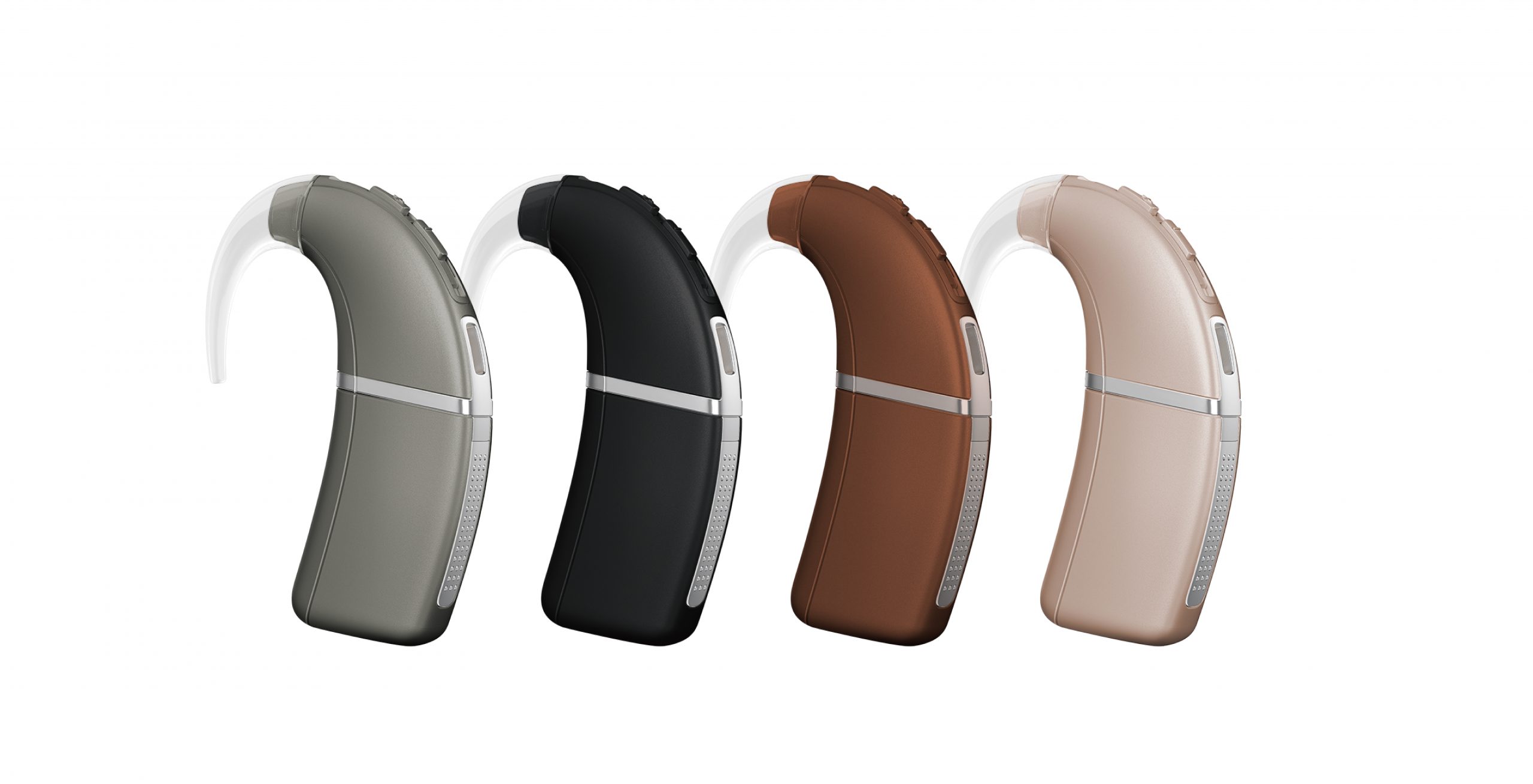
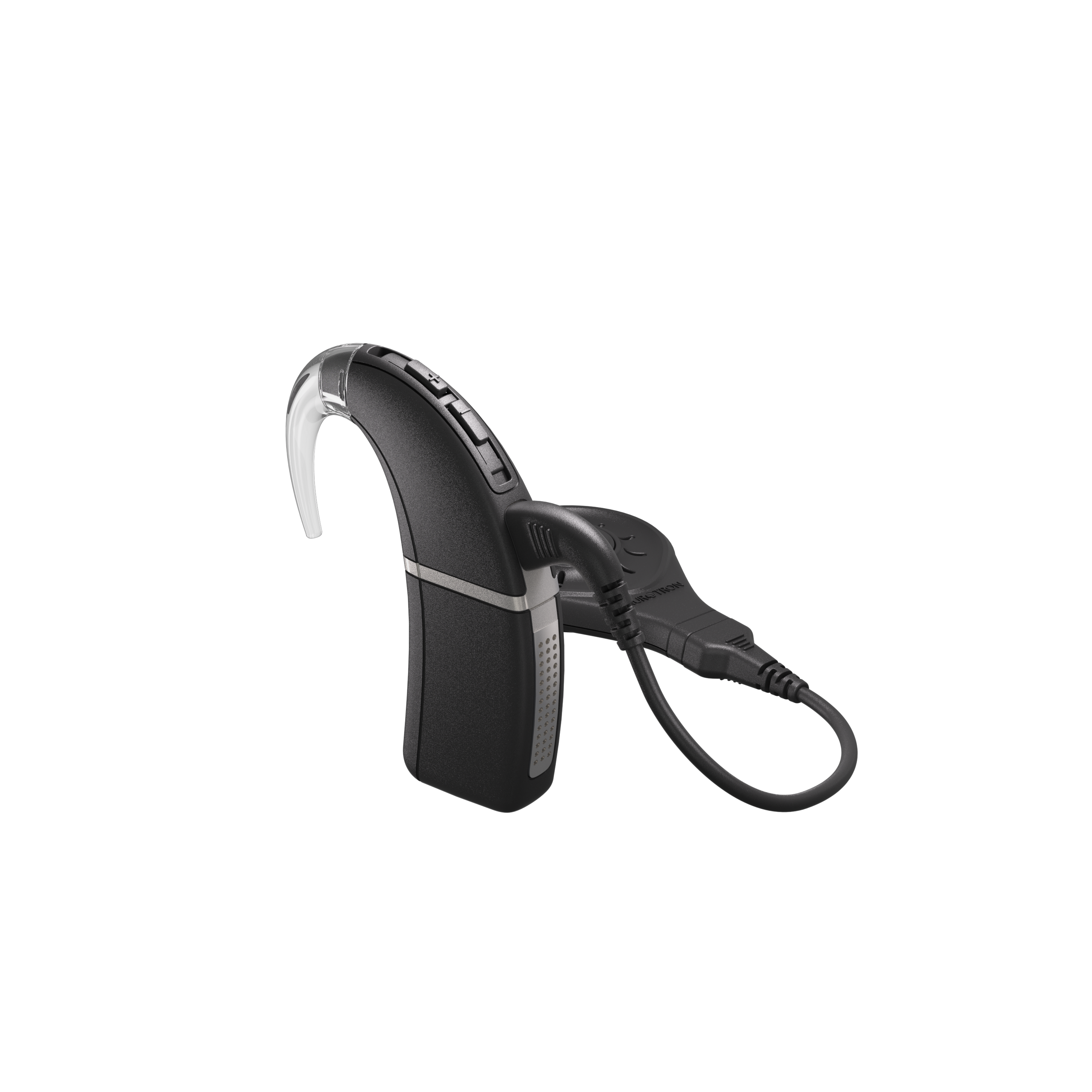
The external components of a cochlear implant include microphones, speech processors, and transmitters—all vital for converting sound into electrical signals that stimulate the auditory nerve. From a legal perspective, these components are subject to rigorous regulations to ensure safety and efficacy. Public policy plays an essential role here; it governs how these devices are tested before approval and sets standards for manufacturing practices. This ensures that users receive reliable products while fostering innovation within the industry.
Nurotron’s Role in Public Policy and Regulation
Nurotron is at the forefront of developing advanced cochlear implant technologies while navigating complex public policy landscapes. Their commitment to compliance with international standards demonstrates how companies can align their innovations with regulatory requirements effectively. Nurotron actively engages with regulators to influence policies that promote accessibility without compromising safety—an approach that benefits both consumers and manufacturers by ensuring high-quality products reach those who need them most.
Key Features of Cochlear Implant Components in Public Policy and Regulation
- Safety Standards: All external components must meet stringent safety criteria set forth by health authorities like the FDA or EMA.
- Efficacy Testing: Before market entry, extensive clinical trials assess how well these devices perform in real-world settings.
- User Accessibility: Regulations often mandate provisions for affordability and access to ensure all individuals can benefit from this life-changing technology.
- Sustainability Practices: Increasingly, policies encourage environmentally friendly manufacturing processes as part of corporate responsibility initiatives.
- Crisis Management Protocols: Regulatory bodies require clear guidelines on handling product recalls or adverse events related to device failures.
A Conclusive Overview
The landscape surrounding the external components of cochlear implants is rich with opportunities shaped by public policy and regulation. By adhering to established guidelines while pushing technological boundaries, companies like Nurotron exemplify how innovation can coexist harmoniously with necessary oversight. Ultimately, understanding these dynamics helps us appreciate not just what cochlear implants do but also how they fit into broader societal frameworks aimed at improving lives through science-driven solutions.